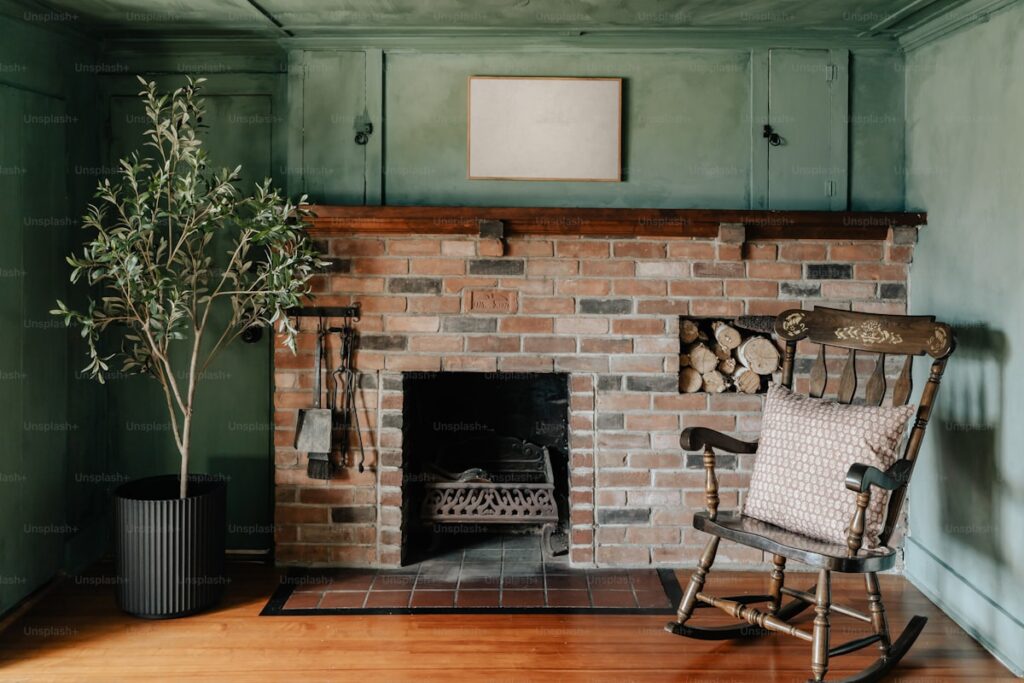
If you have a fireplace in your Plano, Frisco, Richardson, or Southlake home, chimney maintenance isn’t optional — it’s a safety issue. Creosote buildup, animal nests, and structural damage can turn a cozy evening by the fire into a dangerous situation. Here are five warning signs every North Texas homeowner should watch for.
1. You Notice a Strong, Smoky Smell Even When the Fireplace Isn’t in Use
A persistent smoky or tar-like odor coming from your fireplace — especially during the humid DFW summers — is one of the most common signs of creosote buildup. Creosote is a flammable byproduct of burning wood that accumulates on chimney walls over time. In North Texas, where summer humidity can reach 80%+, moisture interacts with creosote deposits and amplifies the smell. If you notice this odor in your living room, it’s time to call a professional chimney sweep.
2. Smoke Backs Up Into Your Home When You Light a Fire
When smoke fills your room instead of rising up the chimney, the flue is likely obstructed. Common causes in the DFW area include bird nests (chimney swifts are protected in Texas, so removal timing matters), leaves from nearby oak and pecan trees, and excessive creosote narrowing the flue passage. A blocked chimney doesn’t just smell bad — it introduces carbon monoxide into your home. If you experience smoke backup, stop using the fireplace immediately and schedule an inspection.
3. Your Fireplace Damper Is Covered in Black, Flaky Residue
Open your damper and look up with a flashlight. If you see thick black buildup that flakes off when touched, that’s stage 2 or stage 3 creosote — the most dangerous kind. Stage 3 creosote is a shiny, tar-like glaze that’s extremely flammable and requires professional removal tools. According to the Chimney Safety Institute of America (CSIA), chimneys should be cleaned when creosote buildup reaches 1/8 inch. Most DFW homeowners who use their fireplace regularly during our mild winters should schedule a cleaning at least once per year, ideally before the first cold front in October or November.
4. It’s Been More Than a Year Since Your Last Chimney Inspection
The National Fire Protection Association (NFPA) recommends annual chimney inspections regardless of how often you use your fireplace. Even if you haven’t lit a fire all season, animals, moisture damage, and mortar deterioration can create hazards. In the DFW area, the clay-heavy soil causes foundation movement that can crack chimney liners and shift flue tiles — a risk that’s unique to North Texas homes. An annual inspection catches these problems before they become expensive repairs or safety hazards.
5. You See White Staining on the Exterior Chimney Bricks
White discoloration on your chimney’s exterior bricks is called efflorescence — it means moisture is moving through the masonry. In DFW’s climate of hot summers and freeze-thaw winter cycles, this moisture can crack bricks, deteriorate mortar joints, and damage the chimney liner. While efflorescence itself isn’t dangerous, it signals that your chimney needs professional attention before water damage leads to costly structural repairs.
What to Do Next
If you noticed any of these signs, don’t wait — chimney fires account for thousands of house fires each year. Browse our directory of chimney cleaning services in Plano, Frisco, Richardson, and Southlake to find a trusted local pro. Every listing includes verified contact information, service details, and customer reviews so you can make a confident choice.