
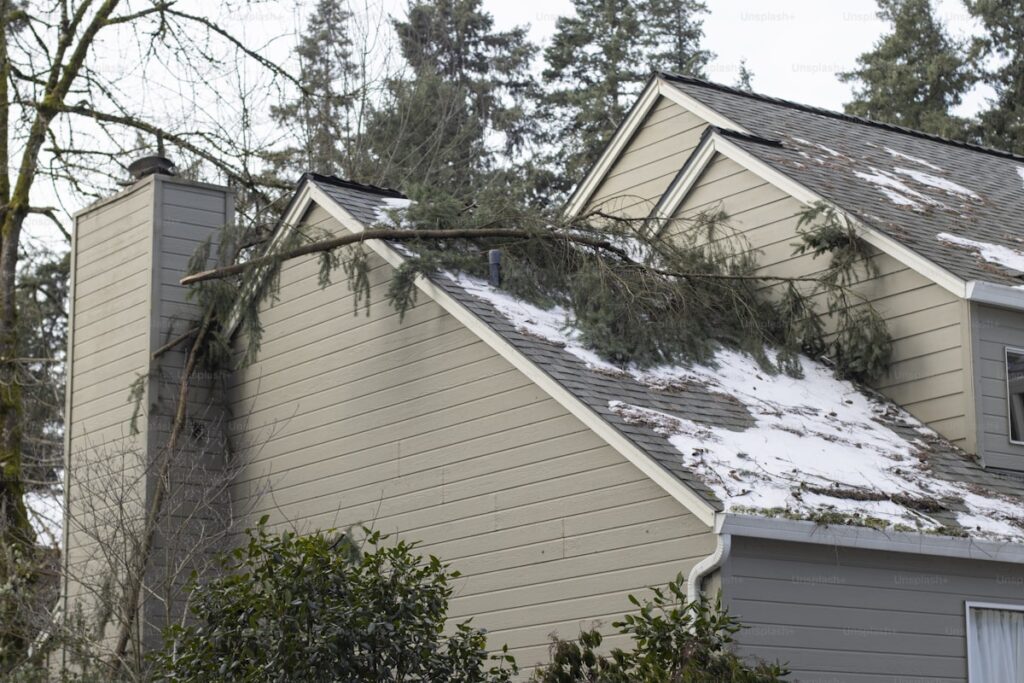
If you’re a homeowner in Dallas-Fort Worth, you already know: spring storm season doesn’t knock politely. The severe storms that rolled through North Texas in early-to-mid March 2026 brought quarter-sized hail, wind gusts up to 65 mph, flash flooding across Dallas and Tarrant counties, and even a building roof collapse in Garland. If your home took a hit — or you’re not sure yet — this checklist will walk you through exactly what to clean, inspect, and fix before the next round rolls in.
North Texas averages more hail events than almost anywhere in the country, and the spring window from March through May is peak season. Don’t wait for damage to get worse. Here’s what to do right now.
1. Inspect and Clean Your Gutters
Hail and high winds knock loose shingle granules, tree branches, leaves, and debris straight into your gutters. Clogged gutters lead to water pooling near your foundation — and in a region where flash flood warnings hit eastern Tarrant County, Dallas County, and Rockwall County during the March 4 storms, proper drainage is critical.
What to do:
- Remove all visible debris from gutters and downspouts.
- Flush gutters with a garden hose to check for proper flow.
- Look for dents, cracks, or sections pulled away from the fascia by wind.
- Schedule a professional gutter cleaning if your gutters are on a two-story home or you can’t safely access them.
2. Check Your Roof for Hail Damage
Quarter-sized hail — which the National Weather Service confirmed across parts of DFW in March — can crack shingles, dent flashing, and compromise your roof’s ability to shed water. You may not see damage from the ground.
What to do:
- Look for shingle granules collecting in your gutters or at the base of downspouts (a telltale sign of hail impact).
- Check for missing, cracked, or curled shingles from the ground with binoculars.
- Hire a professional for a roof cleaning and inspection — many DFW providers offer free post-storm assessments.
- Document any damage with photos for your insurance claim.
3. Pressure Wash Siding, Driveways, and Patios
After flooding and wind-driven rain, the outside of your home collects mud, dirt, algae, and storm residue fast. That grime isn’t just ugly — it can stain surfaces permanently if left to sit, especially on lighter siding and concrete.
What to do:
- Pressure wash your home’s exterior siding, front porch, driveway, and patio.
- Pay special attention to north-facing walls where moisture and algae build up fastest.
- If you had standing water near your foundation, pressure wash the affected concrete to prevent mold and staining.
4. Clean Your Dryer Vent — Especially After Debris Storms
This one gets overlooked every single time, and it’s one of the most important. High winds push leaves, dirt, and debris into exterior dryer vent openings. A partially blocked dryer vent is a fire hazard — and dryer fires cause an estimated 2,900 house fires per year in the U.S., according to the National Fire Protection Association.
What to do:
- Check your exterior dryer vent flap for debris or blockage.
- Run your dryer and feel for weak airflow at the outside vent.
- Schedule a professional dryer vent cleaning if it’s been more than 12 months or if you notice longer drying times.
5. Get Your Air Ducts Inspected
Storms that bring flooding, humidity spikes, and debris infiltration create the perfect environment for mold growth inside your HVAC system. If your home experienced any water intrusion — even minor — your ducts may need attention.
What to do:
- Change your HVAC air filter immediately after a major storm event.
- Check supply and return vents for visible dust, moisture, or musty odors.
- Book a professional air duct cleaning if you notice increased allergy symptoms or humidity indoors.
6. Deep Clean Carpets and Flooring
If any water got inside your home — through a window, door seal, or foundation — your carpets and flooring need attention fast. Moisture that sits in carpet padding for more than 24-48 hours becomes a mold risk.
What to do:
- Extract standing water with a wet/dry vacuum immediately.
- Run fans and dehumidifiers in affected rooms.
- Schedule professional carpet cleaning to deep-extract moisture and treat for mold prevention.
7. Clean Your Windows Inside and Out
Wind-driven rain mixed with dirt and hail residue leaves a film on your windows that’s hard to miss. Beyond aesthetics, checking your windows after a storm helps you catch cracked glass or damaged seals early.
What to do:
- Inspect all windows for cracks, broken seals, or gaps in caulking.
- Clean both interior and exterior glass with proper tools.
- Find a trusted window cleaning pro if you have second-story or hard-to-reach windows.
8. Inspect and Clean Your Chimney
High winds can dislodge chimney caps, crack chimney crowns, and push debris down into the flue. If your chimney cap was compromised during the March storms, water and animals can now get inside — creating bigger problems fast.
What to do:
- Visually check your chimney cap and crown from the ground.
- Look for debris or water stains inside your firebox.
- Schedule a chimney cleaning and inspection before you use it again.
Don’t Wait — DFW Spring Storm Season Is Just Getting Started
The March 2026 storms were a rough start, but historically, April and May bring even more severe weather to North Texas. Collin County, Denton County, and Dallas County all sit in the heart of Hail Alley. Taking care of cleanup and maintenance now protects your home before the next round.
Browse trusted, local cleaning professionals for every service on the DFW Cleaning Directory — all verified, all serving your city.
Frequently Asked Questions
How soon after a storm should I clean my gutters?
Within a few days if possible. Clogged gutters from storm debris can cause water to pool near your foundation, especially during back-to-back storm events that are common in DFW spring seasons.
Should I pressure wash my house after hail?
Yes. Hail and wind-driven rain leave behind dirt, granule residue, and organic material that can stain siding and concrete if not cleaned promptly. Pressure washing also lets you spot hidden damage.
Can storm debris block my dryer vent?
Absolutely. High winds push leaves, dirt, and small debris into exterior dryer vent openings. A blocked dryer vent is a serious fire hazard and should be inspected after any major wind event.
How do I know if my air ducts need cleaning after a storm?
If your home experienced any water intrusion, humidity spikes, or you notice musty odors coming from your vents, schedule a professional duct inspection. Mold can begin growing in ductwork within 24-48 hours of moisture exposure.