
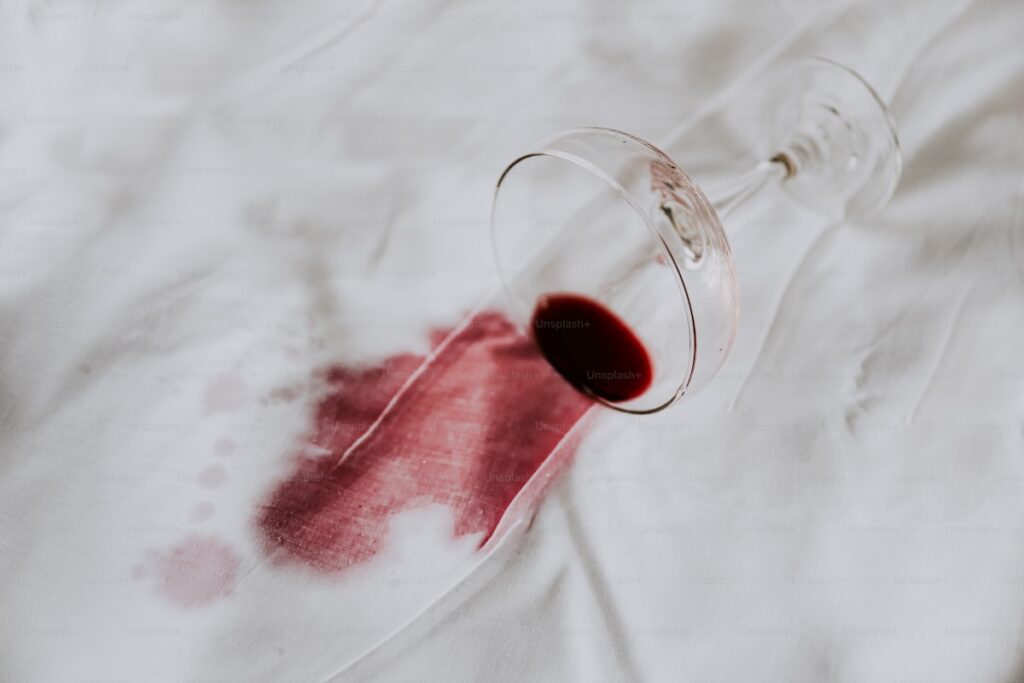
You spill red wine on the carpet at a dinner party. Your kid tracks mud through the living room. The dog has an accident on the rug you just bought. Every DFW homeowner has been there — staring at a carpet stain and wondering: can I fix this myself, or do I need to call someone?
The answer depends on what caused the stain, how long it’s been there, and what kind of carpet you have. Here’s how to make that call.
Stains You Can Usually Handle Yourself
Many common household stains respond well to DIY treatment — if you act quickly. The golden rule of carpet stain removal is that speed matters more than technique. A stain that’s been sitting for 24 hours is exponentially harder to remove than one you attack in the first 15 minutes.
Coffee and tea. Blot (don’t rub) with a clean white cloth, then apply a mixture of one tablespoon dish soap, one tablespoon white vinegar, and two cups warm water. Work from the outside of the stain inward to avoid spreading it.
Mud. This one is counterintuitive: let it dry completely first. Dried mud vacuums up easily. Then treat any remaining discoloration with a mild detergent solution.
Pet urine (fresh). Blot as much as possible immediately, then apply an enzyme-based cleaner (available at any DFW pet store or Home Depot). Enzyme cleaners break down the proteins that cause both the stain and the odor. Avoid steam cleaning fresh pet stains — heat can set the proteins permanently.
Food spills and grease. Scrape up any solid material, then apply baking soda to absorb grease. After 15 minutes, vacuum and treat with dish soap solution.
Stains That Need a Professional
Some stains have chemistry working against you. These are the ones where DIY attempts often make things worse — and where a professional carpet cleaner earns their fee:
Red wine and juice. The tannins in red wine bond to carpet fibers almost immediately. If cold water and salt don’t lift it in the first few minutes, the stain is likely set. Professional hot water extraction with specialized solutions is your best shot. The longer you wait, the lower the success rate.
Ink. Ballpoint pen, marker, and printer ink contain dyes designed to be permanent. Rubbing alcohol can work on small, fresh ballpoint stains, but anything larger or older needs professional treatment. Important: never use water on ink stains first — it spreads them.
Blood. Cold water only (never hot — heat sets protein stains). Hydrogen peroxide can work on light carpets, but it can bleach colored fibers. If cold water doesn’t do it, call a pro before trying anything else.
Old, set-in stains. Any stain that’s been sitting for weeks or months has bonded with the carpet fibers. At this point, over-the-counter products rarely work, and aggressive scrubbing can damage the carpet texture permanently.
Wax and gum. These require specific temperature techniques (freezing for gum, controlled heat for wax) that are easy to get wrong. A pro handles these in minutes.
Bleach or chemical damage. If the stain is actually missing color (like a bleach spot), no amount of cleaning will fix it. A professional can do color repair or carpet patching — techniques that are beyond DIY territory.
The DIY Mistakes That Make Stains Worse
Before you grab that grocery store carpet cleaner, know the most common mistakes that turn a fixable stain into a permanent one:
Rubbing instead of blotting. Rubbing pushes the stain deeper into the carpet pad and damages the fiber twist. Always blot with a clean cloth, pressing straight down.
Using too much water. Over-wetting can cause the carpet backing to separate, the pad to mildew, and the stain to spread. Use the minimum amount of solution needed.
Heat on protein stains. Steam cleaning or hot water on blood, egg, milk, or pet stains cooks the proteins into the fiber. Always start with cold water for these.
Using the wrong product. Some common “cleaning hacks” (like vinegar on natural stone-backed rugs, or bleach on colored carpet) cause more damage than the original stain.
Waiting too long. The single biggest mistake. A stain that could have been DIY’d in the first hour becomes a professional job by the next day.
What Does Professional Carpet Cleaning Cost in DFW?
Professional carpet cleaning in the Dallas-Fort Worth area typically runs:
Per room: $35–$75 per room for hot water extraction (steam cleaning). Most companies define a “room” as up to 200 square feet.
Whole house: $150–$400 for 3-5 rooms, depending on size and condition. Many DFW companies offer package deals.
Spot treatment: $50–$100 per stain for targeted stain removal on top of a general cleaning.
Specialty treatment: Pet odor treatment, stain protection application, and color repair are typically quoted separately.
Most pros recommend whole-house carpet cleaning every 12-18 months as general maintenance, even without visible stains. This removes allergens, dust mites, and ground-in soil that regular vacuuming misses — something worth considering given DFW’s allergy season.
How to Choose a Carpet Cleaning Company
Not all carpet cleaners are created equal. Here’s what to look for when hiring in DFW:
Look for companies that use hot water extraction (the method recommended by most carpet manufacturers) rather than dry cleaning or bonnet cleaning, which are less effective for deep stains. Ask about their training and certifications — IICRC certification is the industry standard. Get a written quote that specifies what’s included and any potential add-on charges. And always check for liability insurance.
Find Carpet Cleaning Professionals Near You
We’ve compiled vetted carpet and upholstery cleaning professionals across the Dallas-Fort Worth area. Browse your city to compare services and get quotes:
- Carpet Cleaning in Plano
- Carpet Cleaning in Richardson
- Carpet Cleaning in Frisco
- Carpet Cleaning in Southlake
Whether you’re dealing with a stubborn stain or just ready for a full refresh, the right professional can make your carpets look and feel new again. Don’t let a stain become a permanent fixture — take action today.